Making ai Designs Editable
AI Can Design… But It Can’t Do This
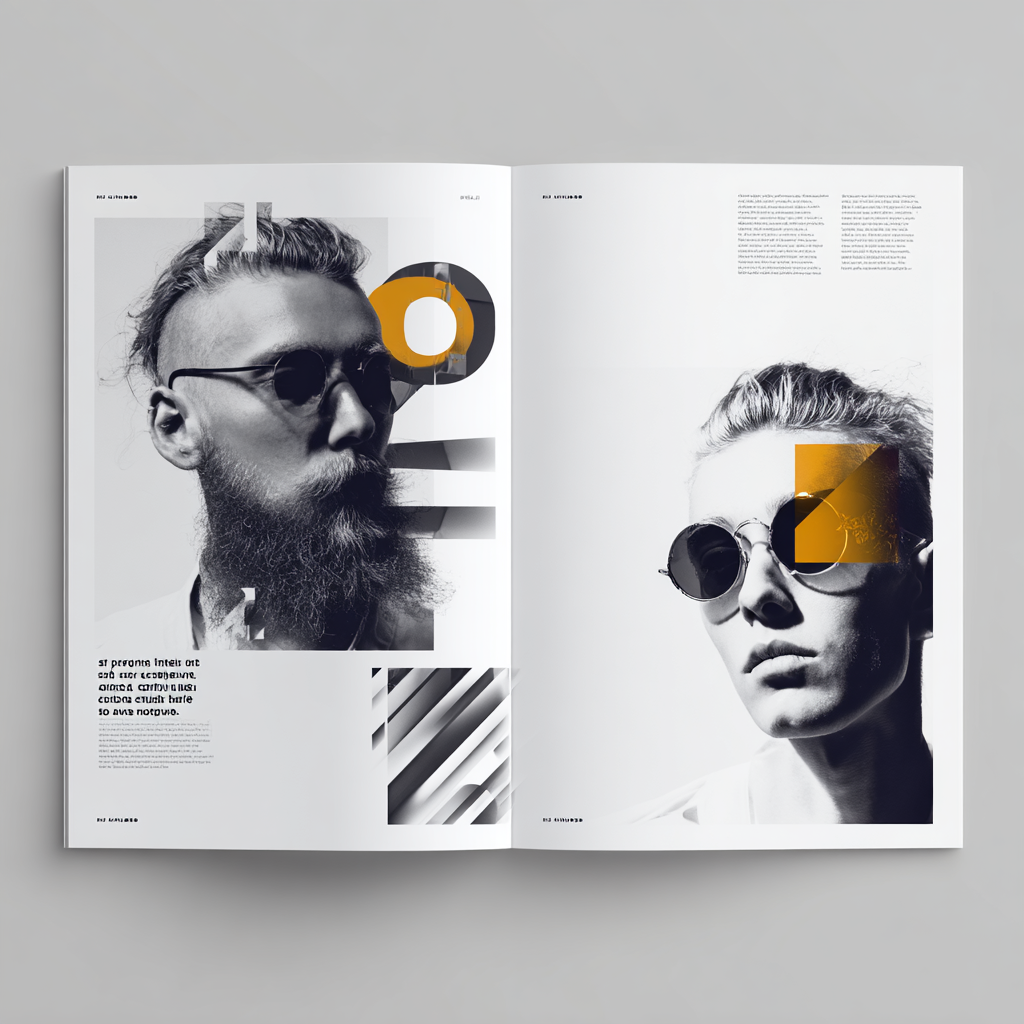
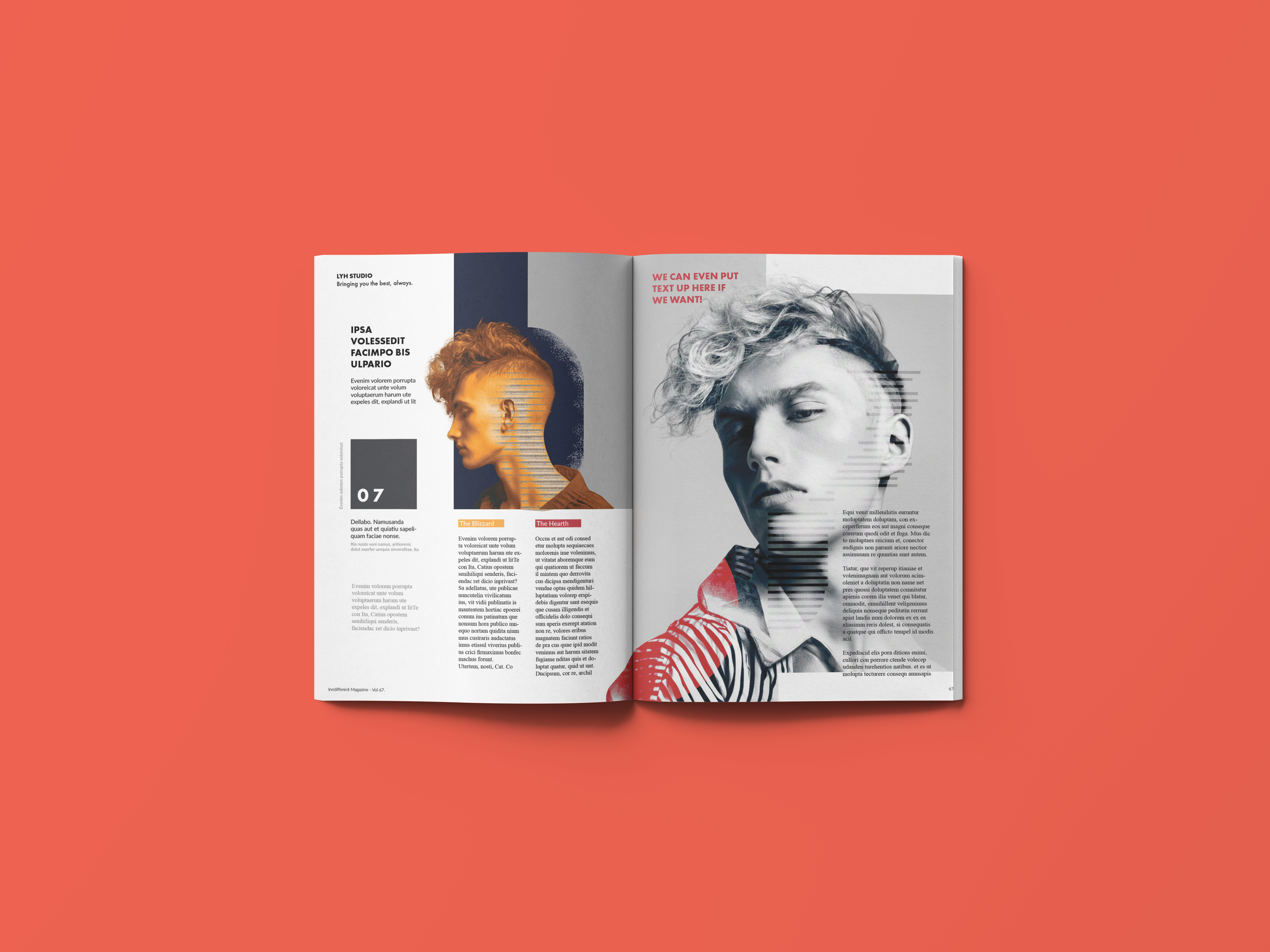
The video’s core experiment starts with a bold premise: AI can instantly generate polished layouts that look like professional editorial designs. And it succeeds—producing complex visuals in seconds that would normally take hours. But that’s also where the main problem appears. The AI output is essentially a flattened image: it looks finished, yet it has no real design infrastructure behind it—no grid system, no editable typography, no reusable styles, no scalable layout logic. In other words, it’s not a working design file; it’s just pixels. In this video we demonstrates this by rebuilding the AI image manually using professional tools, turning it into something fully editable, layered, and client-ready. The lesson is simple but powerful: generating something that looks good isn’t the same as building something that actually works.
What we learn from this is that AI excels at rapid ideation but struggles with structured execution. Research supports this distinction: studies show there’s little difference in raw creative performance between humans and AI alone, yet humans using AI outperform humans without it—highlighting that AI works best as an augmenting tool rather than a replacement. The real takeaway is that design isn’t just aesthetics—it’s systems thinking, decision-making, and adaptability. AI can generate impressive drafts, but humans are still the ones who interpret vague feedback, enforce structure, and refine ideas into usable products. In that sense, AI didn’t replace the designer in the video; it simply became the fastest intern the designer ever had.
Before and After

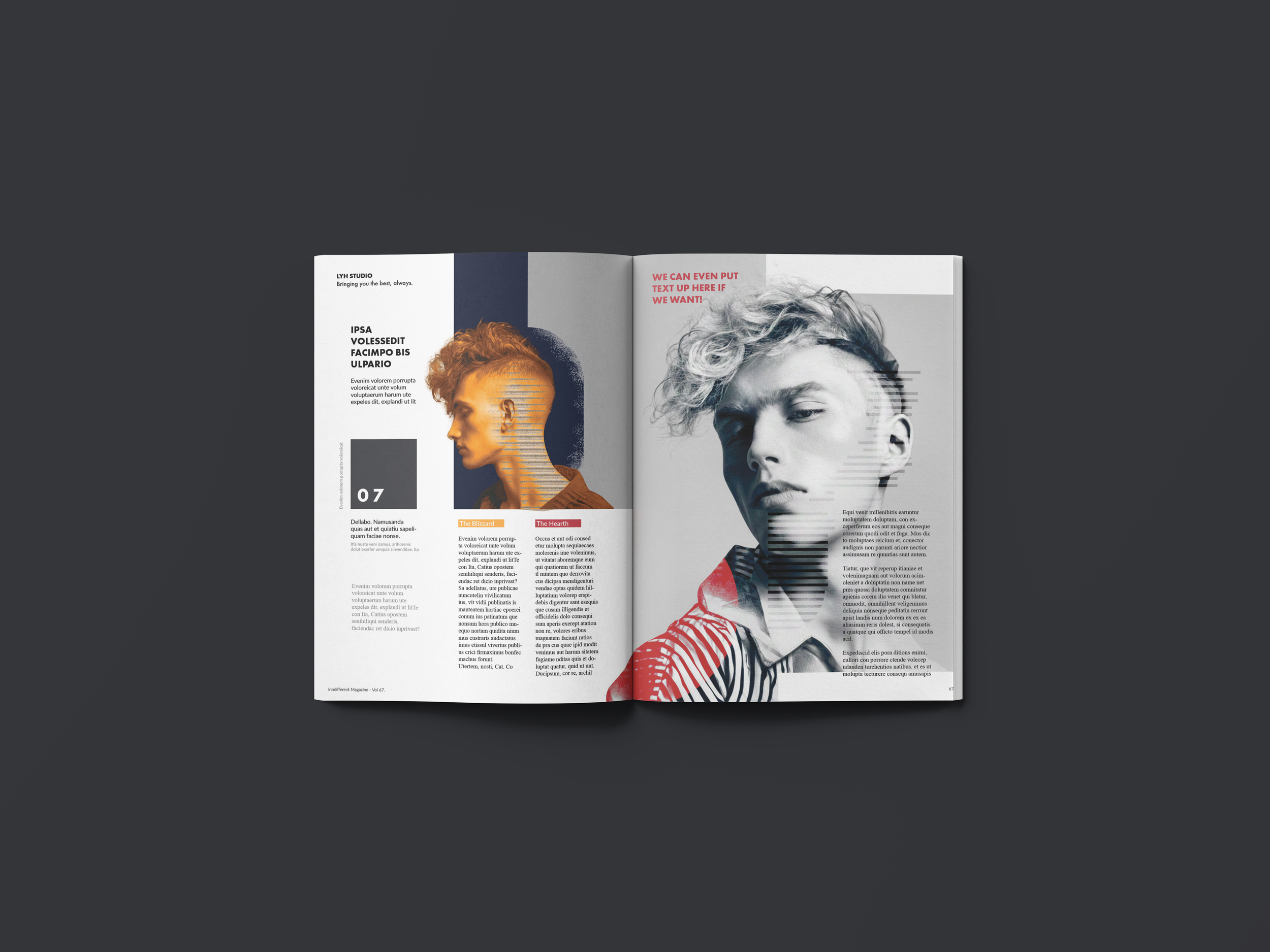
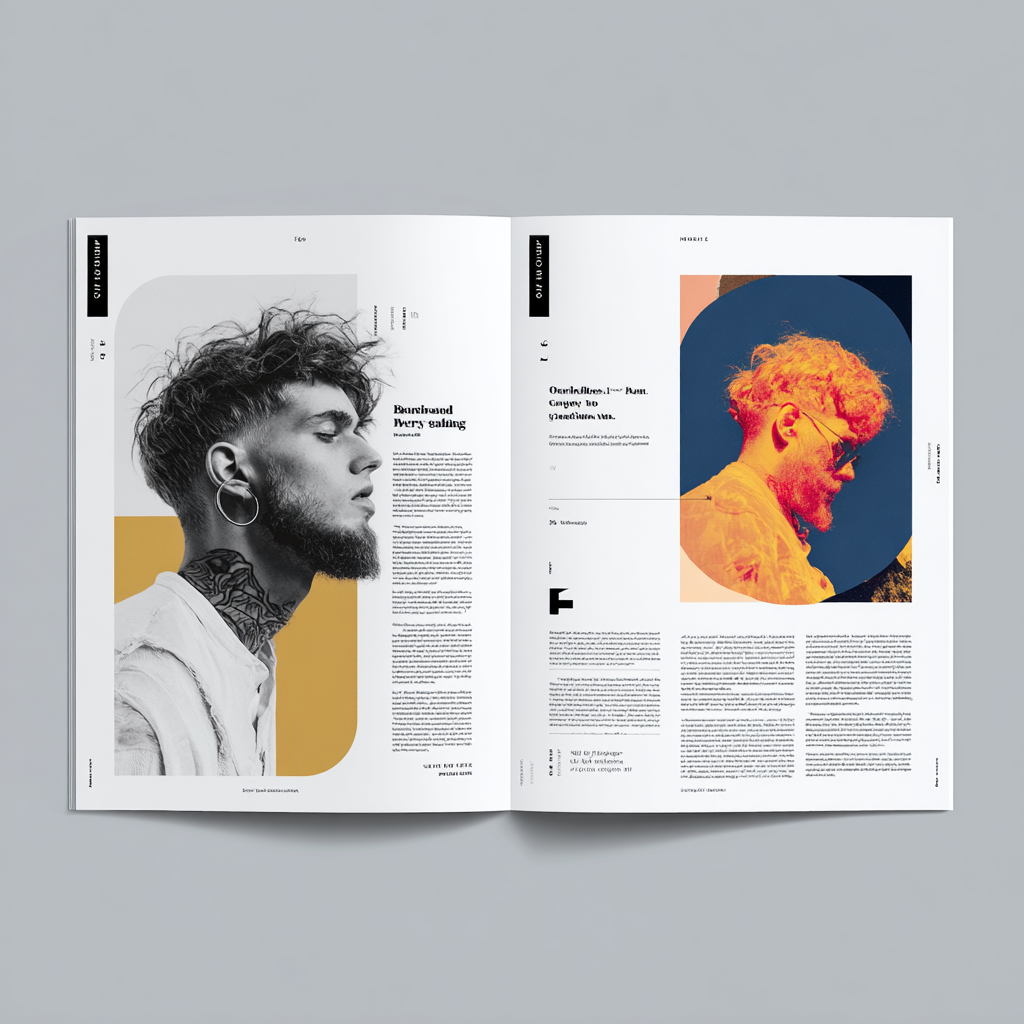
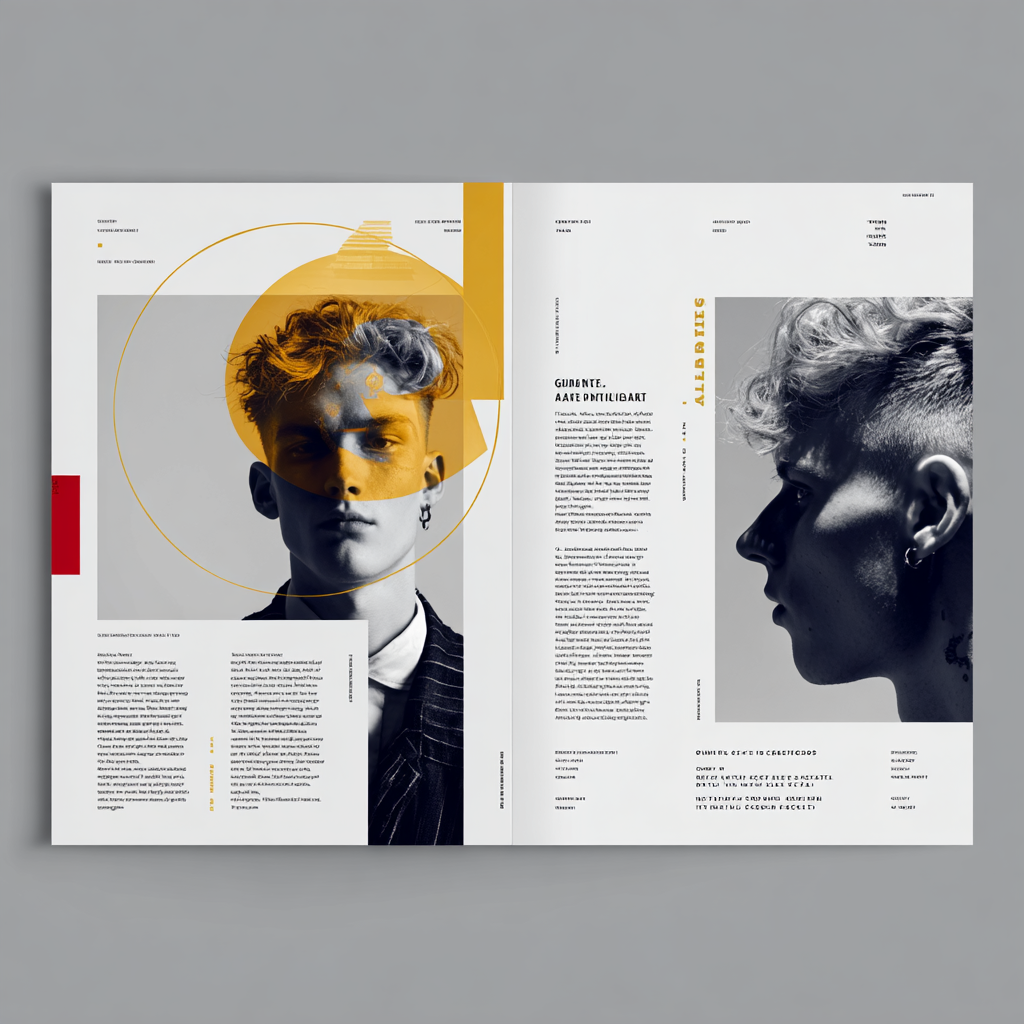
Prompt used for Midjourney:
Generate iterations for me for a two-page spread magazine. It should feature avant-garde design with a minimalist feel but punchy elements.
Other MidJourney Layout Examples